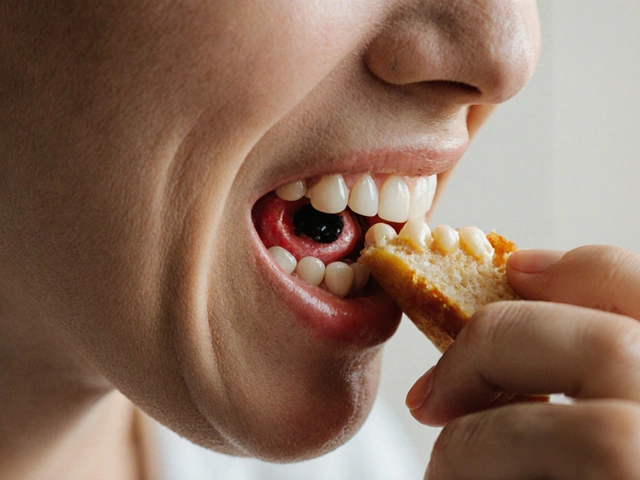
Keramické korunky: Co je dobré vědět o trvanlivosti, ceně a výměně
When you need to restore a damaged or dead tooth, keramické korunky, zubní náhrady z keramiky, které imitují přirozenou barvu a strukturu zubu. Also known as celokeramické korunky, they are the go-to choice for people who want a natural-looking, durable fix that doesn’t show metal. Unlike older metal crowns, they blend in perfectly with your smile—no one will know you have one unless you tell them.
Most people choose keramické korunky after root canal treatment, because a dead tooth becomes brittle and needs protection. zirkonová korunka, specifický typ keramické korunky z oxidu zirkonia, který je výrazně pevnější a vhodný pro zadní zuby is one of the strongest options available today. It’s often used in back teeth where chewing forces are high, while regular ceramic crowns are preferred for front teeth where appearance matters most. Both are biocompatible, meaning they rarely cause allergies or gum irritation.
How long do they last? With good oral hygiene, most last 10–15 years, sometimes longer. But they’re not indestructible—biting hard nuts, grinding your teeth at night, or skipping dental cleanings can shorten their life. If your crown chips, feels loose, or your gum around it starts swelling, it’s time to see a dentist. léčba mrtvého zubu, postup, který často vede k potřebě korunky, když je zub již mrtvý a nemůže se obnovit jinak usually ends with a crown, because the tooth can’t heal on its own. That’s why getting it covered quickly matters.
Cost varies depending on the material, clinic, and complexity, but you’re usually looking at 5,000–12,000 Kč per crown. Cheaper options exist, but they often mean thinner ceramic or lower-quality lab work. Don’t just pick the lowest price—ask where the crown is made, what material is used, and if the dentist has experience with ceramic restorations. A poorly fitted crown leads to leaks, decay under it, and eventually, tooth loss.
People often wonder if they can replace an old metal crown with ceramic. Yes, and it’s one of the most common upgrades we see. Metal crowns from 20 years ago look outdated and can cause dark gum lines. Switching to ceramic improves both function and confidence. The process isn’t complicated: your dentist removes the old crown, prepares the tooth, takes an impression, and fits the new one in a couple of weeks.
What you’ll find here are real stories and practical guides from people who’ve been through it—whether they got their first keramické korunky after a root canal, replaced an old one that cracked, or chose ceramic over metal for esthetics. You’ll learn how to spot trouble early, what questions to ask your dentist, and why skipping a checkup after getting a crown can cost you more later. No fluff. Just what works.

Co říkají pacienti o keramických zubech: skutečné zkušenosti a výhody
Skutečné zkušenosti pacientů s keramickými zuby: jak vypadají, jak vydrží, proč jsou lepší než kov a jak změní váš vztah k vlastním zubům. Bez marketingu - jen reálné příběhy.
Číst více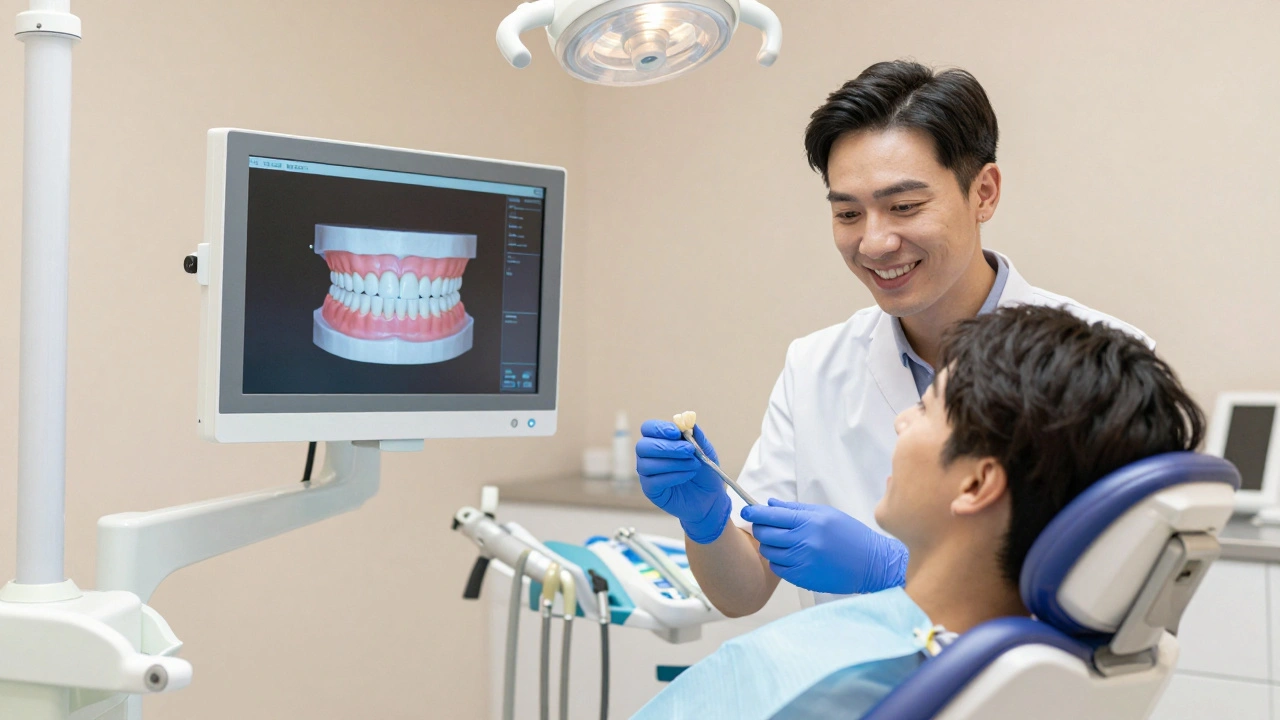
Keramické zuby: Jak zvládnout návštěvu u zubaře bez stresu
Zjistěte, jak fungují keramické zuby, co vás čeká při návštěvě zubaře a proč jsou lepší volbou než kovové náhrady. Všechno potřebné k rozhodnutí bez stresu.
Číst více
Keramické zuby: Jak probíhá kontrola a údržba
Keramické zuby vypadají přirozeně a trvají desítky let, ale jen pokud je pravidelně kontrolujete a správně udržujete. Zjistěte, jak chránit korunky před poškozením, jak čistit mezizubní prostory a kdy se obrátit k zubaři.
Číst více